
“Gennady Dobrov. An artist who had the courage to undertake a terrible task– to trouble people’s memory as to the enormous war crimes, who dared to let into his heart all the miseries that befell the war veterans…”.
According to data published by the Military Medical Museum in St Petersburg, there were:
- 46 million, 250 thousand wounded during World War Two
- 10 million returned with various forms of disability.
- 775,000 with head wounds.
- 155,000 with one eye.
- 54,000 blind.
- 3 million 147,000 with one arm.
- 3 million 255,000 with one leg.
- 1 million, 121,000 without both legs.
- 418,905 with partially torn off arms and legs.
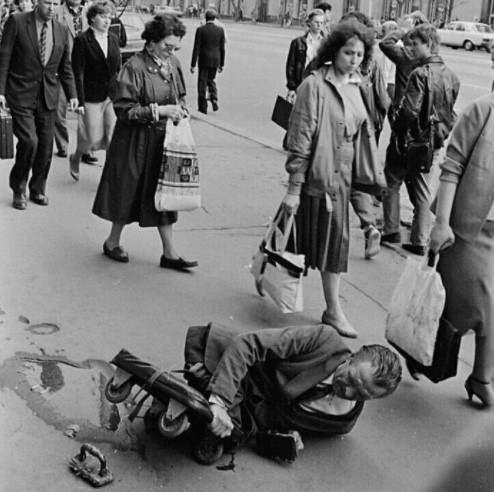
Veterans were given nicknames based on their injuries. Those who had lost one leg and moved by hopping were called “Kangaroos.” Veterans who had lost both legs were referred to as “Scooters.” Those with partial limb loss resembling flippers were known as “Turtles.” Soldiers who had lost an eye were sometimes called “Flounders.” The most tragic label was “Samovars”—a term used for veterans who had lost all four limbs, likening them to the metal containers used for boiling water. In total, there were 85,942 limbless veterans after the war.
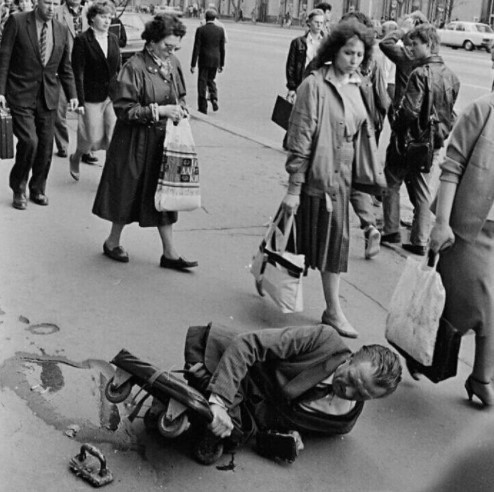
Homeless veterans disabled in World War II became street beggars after the end of the war. These invalids became fixtures on the streets of large cities. They were seen by the victorious country as tarnishing the landscape of the nation. The very sight of their stumps had a demoralising effect.
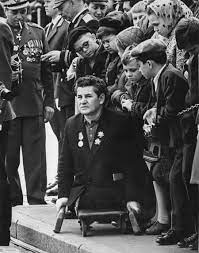
The clean-up of the landscape was accomplished in 1949, in preparation for Stalin’s 71st birthday celebration. It was an impressive mop-up operation carried out with enviable efficiency.
The militia rounded up homeless veterans in Kiev and other important cities, loaded them into cattle cars, and sent them to camps in Valaam, Solovki, and Siberia. It took one night, according to some reports.

It has been suggested that the city of Kyiv contributed several thousand victims that night alone.
After that operation of 1950, the holiday parades did not include disabled war veterans who would bring to the surface unpleasant memories. The country was accustomed to purges—now it was the turn of the useless disabled veterans.
Valaam Island is the largest of an archipelago in Lake Ladoga. It is in the North of Russia, but it belonged to Finland before.
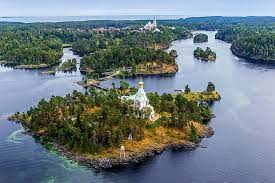
After World War II, it was also home to the severely disabled homeless veterans who became known as the “graveyard for war veterans.” It operated on the territory of the monastery from 1950 to 1984.
From 1921 to 1939, the islands hosted the first Soviet prison camp as part of the Gulag system that became known as Solovki. After World War II, disabled homeless war veterans were sent there.
Another key factor in Stalin’s treatment of these veterans was their social power. Having witnessed life in non-communist countries was deemed dangerous, and they were watched by the authorities.
Gennady Dobrov began exploring the Invalids Homes in 1070. Dobrov had a job as a medical assistant at Valaam, where he began to furtively sketch disabled veterans at Valaam and elsewhere.
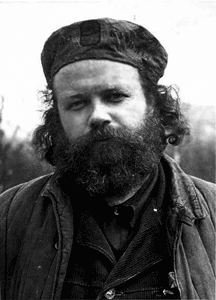
In an incredible series entitled “War Autographs” Dobrov skilfully portrayed men and women he encountered.
These are but a few of the works in “Autographs of War” by Gennady Dobrov.
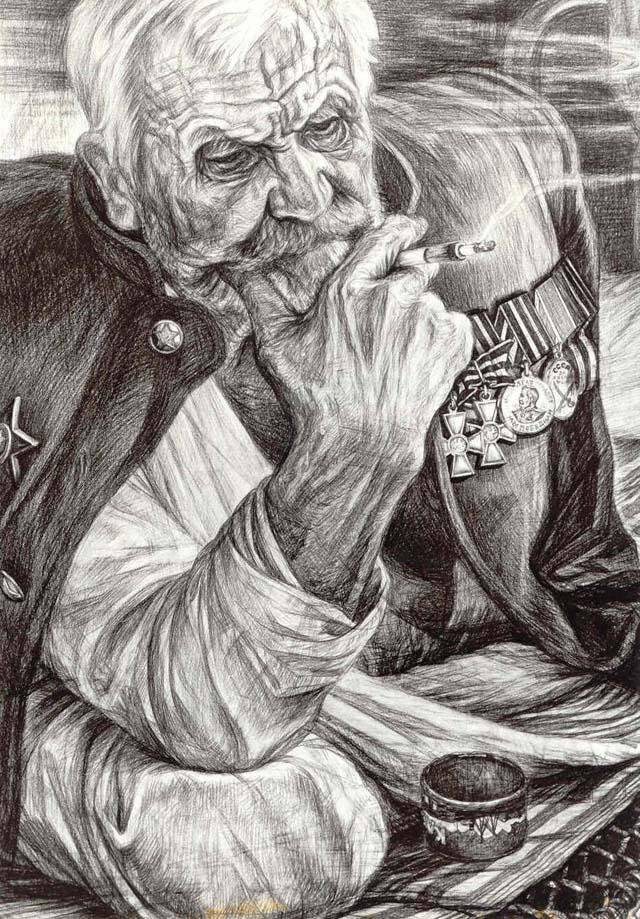
Mikhail Kazankov, a 90-year-old veteran of three wars
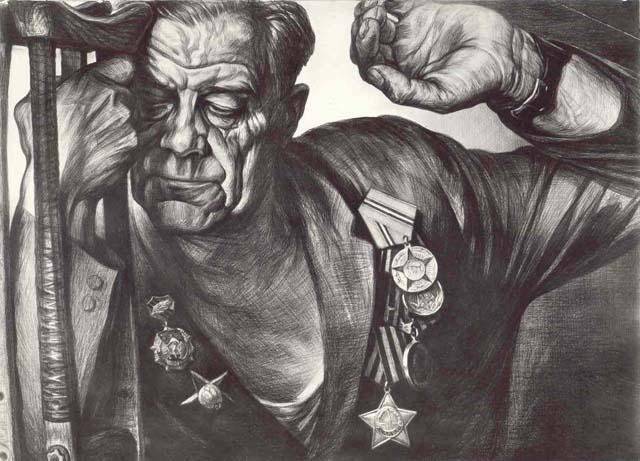
Viktor Popkov, former Intelligence officer
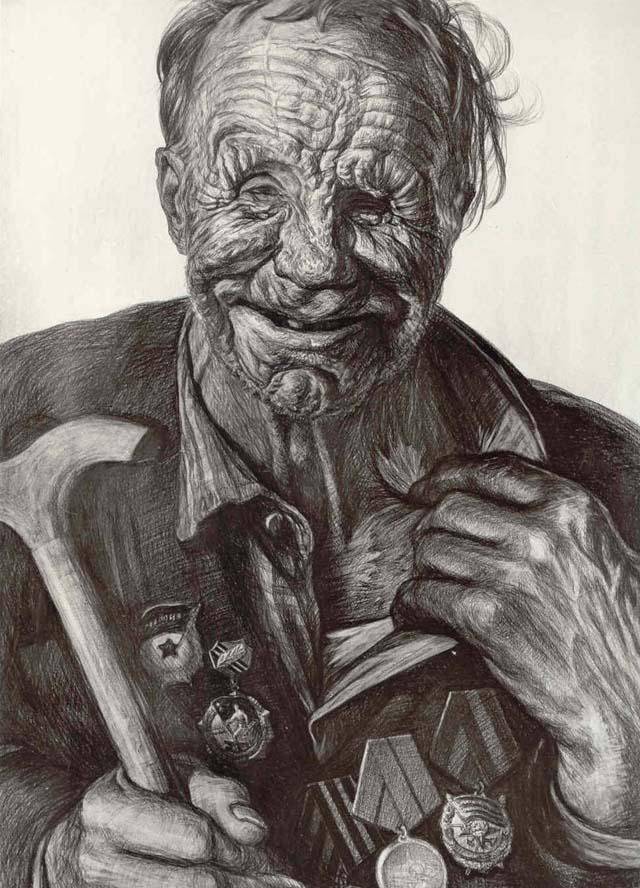
Alexander Ambarov, defender of Leningrad
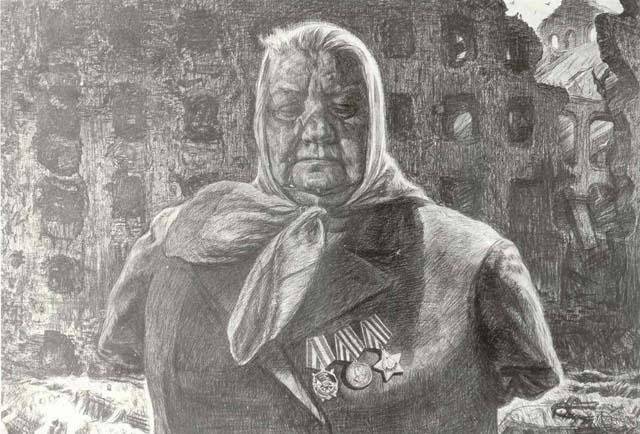
Former front-line radio operator Julia Yemanova lost her arms and legs, speech, and hearing.
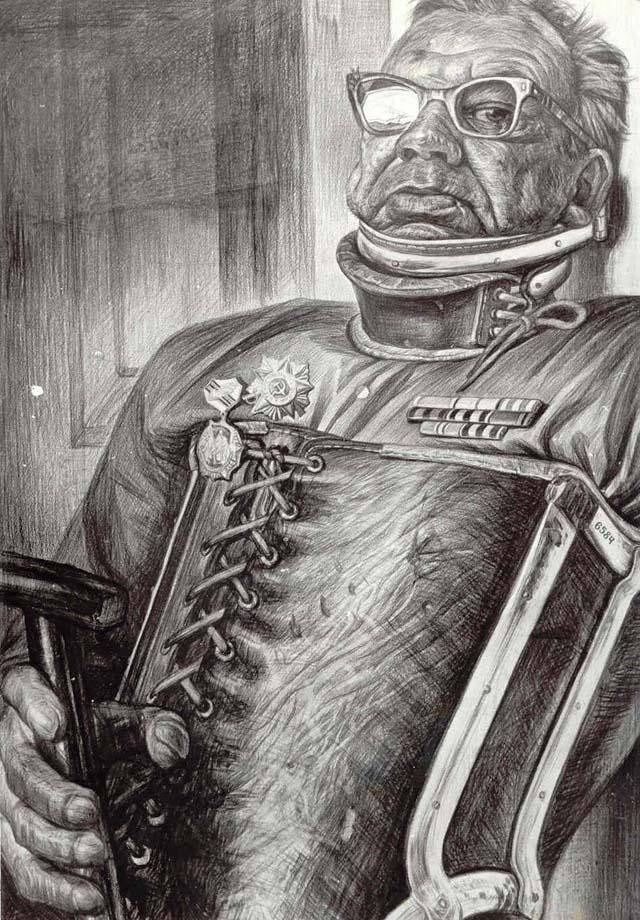
Viktor Popkov, former Intelligence officer
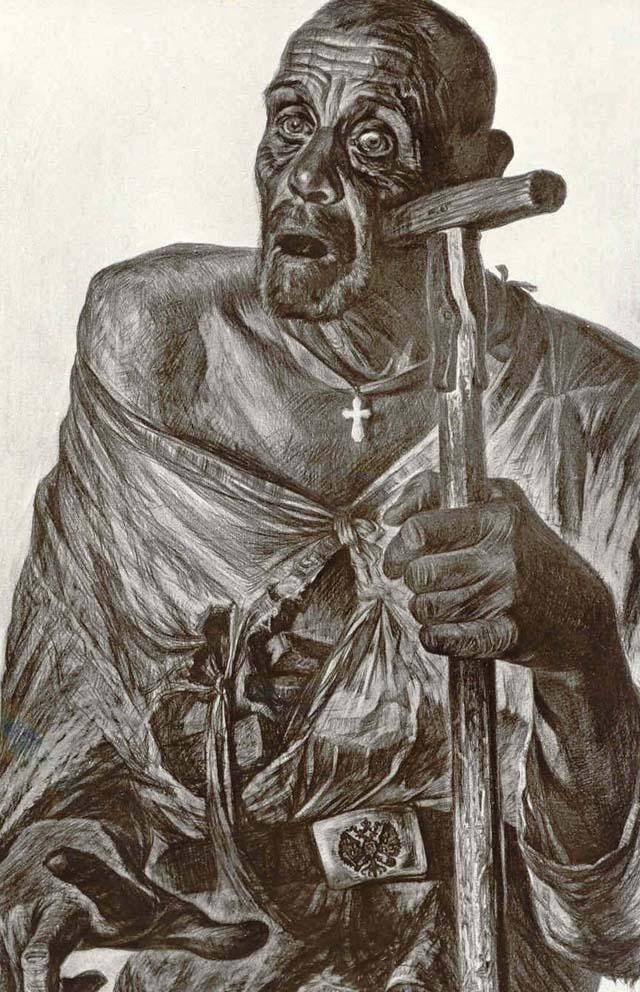
War veteran who lost his mind drawn from memory by Dobrov whom he saw in Siberia when he was nine years old in 1946.
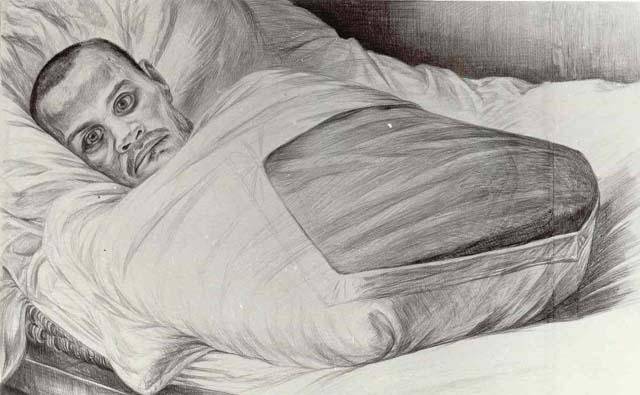
Drawing of a disabled veteran on Valaam done in 1974. The war left him without limbs, speech, and hearing.